


Insulation under electric underfloor heating

-
Vendor:Quality Heating
Mat heating insulation 3mm XPS plate ISO74
Regular price $36.00 USDRegular price
Easy installation
High quality
Fast delivery
-
Vendor:Quality Heating
XPE-PRO ISO-84 7mm - 7.2m² of reflective insulation
Regular price $65.00 USDRegular priceEasy installation
High quality
Fast delivery
-
Vendor:Quality Heating
Insulating panel (tiles) Hardfoam ISO64 6, 10 and 20mm
Regular price From $17.00 USDRegular price$22.00 USDSale price From $17.00 USD
Easy installation
High quality
Fast delivery
Sale -
Vendor:Quality Heating
XPS ISO74 insulation panel (wood, parquet, carpet) 5m² per pack
Regular price $36.00 USDRegular price$44.00 USDSale price $36.00 USD
Easy installation
High quality
Fast delivery
Sale -

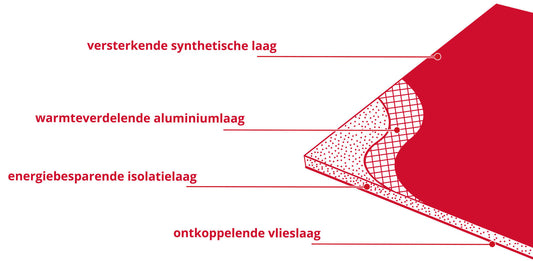 Sold outVendor:Warmup
Ultralight 4in1 Warmup insulation
Regular price $31.00 USDRegular priceEasy installation
High quality
Fast delivery
Sold out

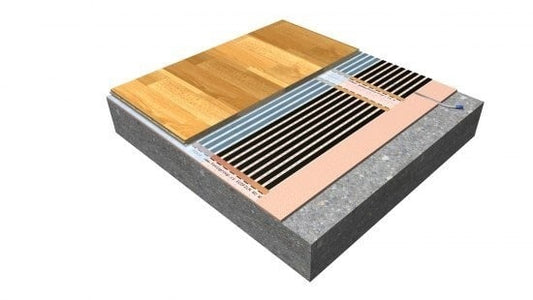




Why use insulation under electric underfloor heating?
Installing quality insulation under an electric underfloor heating system allows you to:
- To efficiently direct heat into the room, without unnecessary loss to the floor.
- Reduce heating costs through optimized energy consumption.
- Protect heating cables from moisture and mechanical stress.
- Reduce heating time and stabilize ambient temperature.
This type of insulation is particularly recommended in cold regions or for rooms located on underfloor heating mats or concrete slabs .
Insulation materials for electric underfloor heating: options and advantages
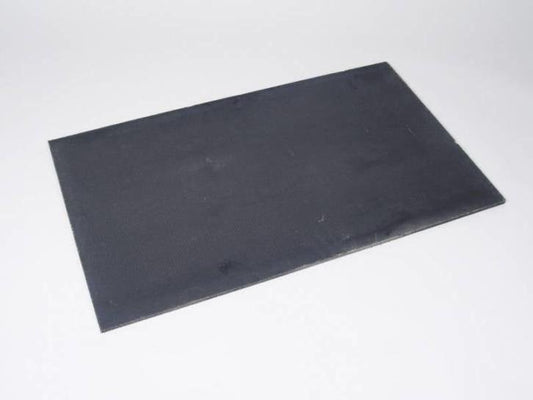
Choosing the right material is essential for the efficiency of your heating system. Rigid foam panels offer excellent compression resistance and very good insulation. They are easy to install and raise the floor height only slightly.
Another effective solution is the use of reflective insulating sheets. These sheets reflect heat upwards, reducing energy loss. They are particularly useful under floor coverings such as tiles, as they direct heat where it is needed. The right material not only protects the heating cables but also helps reduce energy consumption by optimizing heat distribution.
Thermal insulation under tiles: how to proceed
Under-tile thermal insulation is essential for uniform and efficient heat distribution. Rigid foam or XPS insulation panels are ideal for this purpose, thanks to their high compressive strength and insulating properties.
They prevent heat from escaping downwards and ensure that all the energy is directed towards the room. Reflective insulating sheets can also be added to further enhance the system's efficiency. Easy to install, these sheets provide additional protection for the heating cables . With the right insulation, you reduce your energy consumption and enjoy a comfortable atmosphere throughout the room.
High-performance insulation: durability and savings
Effective insulation is essential to maximize the lifespan of your system and minimize your energy costs. By choosing quality materials, you reduce heat loss and increase the efficiency of your electric underfloor heating .
This not only reduces your energy bills but also minimizes your environmental impact. Furthermore, insulation protects your heating cables from mechanical damage and moisture, extending their lifespan. It also ensures even heat distribution throughout the room, improving overall comfort. In short, investing in effective insulation means choosing long-term savings and optimal thermal performance.
Buy insulation for electric underfloor heating at Electric Heating
At Electric Heating , we offer not only a wide range of high-quality insulation materials, but also impeccable customer service and personalized technical advice. Our catalog includes complete underfloor heating systems, compatible accessories, and all the necessary components to guarantee a simple and efficient installation.
In addition to electric underfloor heating solutions, we also offer wood laminate and parquet flooring systems, as well as equipment suitable for motorhomes. Trust the quality of our products to sustainably improve the efficiency of your heating system.
Are you ready to optimize your installation? Order now on Chauffage-Electrique.fr and save energy while gaining comfort.
Frequently asked questions about insulation under electric underfloor heating
What insulating materials are recommended for an electric underfloor heating system?
Rigid foam panels, such as XPS, are the most commonly used. They offer excellent thermal insulation and high compression resistance, ideal for minimizing downward heat loss.
How to properly install insulation under heated tiles?
The insulating panels must be installed first, then a reflective sheet added if necessary. This helps to reflect heat upwards and improve the overall efficiency of the system.
Why is insulation essential under electric underfloor heating?
It prevents heat loss, protects heating cables from moisture and shocks, and ensures more even heating throughout the room, thus reducing operating costs.
