


Heat pump boilers

-
Vendor:Quality Heating
QH 200L Thermodynamic Water Heater - Energy Label A (with subsidy)
Regular price €1.490,00 EURRegular price
Up to 75% electricity savings
A+ eco-friendly thermodynamic water heater
Smart control via touchscreen & WiFi
-
Vendor:Quality Heating
QH 250L heat pump water heater - Energy label A with subsidy
Regular price €1.590,00 EURRegular priceUp to 75% electricity savings
Energy label A+ for a valued home
Smart control via WiFi app

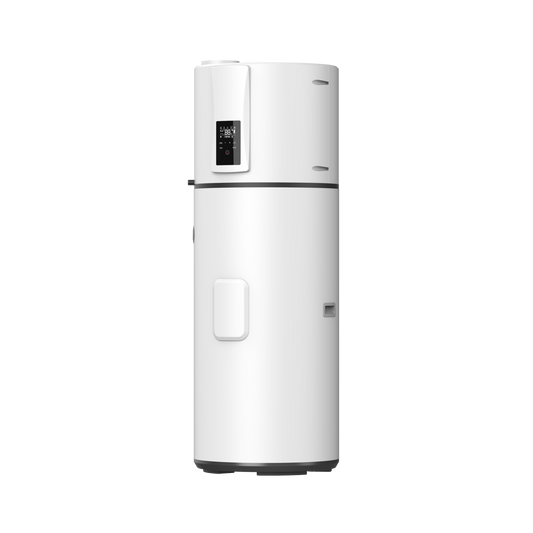


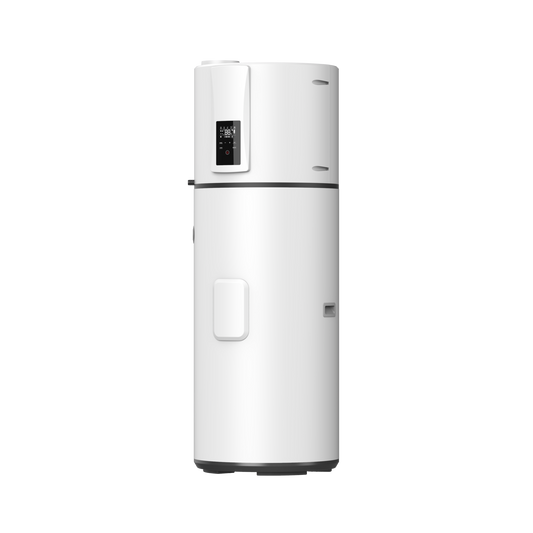

What is a heat pump water heater?
A heat pump boiler is a modern and energy-efficient solution for producing domestic hot water. Instead of using gas or a conventional electric boiler, a heat pump boiler uses heat extracted from the air. This results in significantly lower electricity consumption and energy savings of up to 70% for hot water production.
How does a heat pump boiler work?
Its operation is based on a four-stage heat pump circuit:
-
Extracting heat from the air – A fan draws in air and transfers the heat to a refrigerant via an evaporator.
-
Compression – The refrigerant is compressed, resulting in a sharp increase in temperature.
-
Heat transfer to water – Heat from the hot refrigerant is transferred to the water in the water heater via a heat exchanger.
-
Cycle repetition – The refrigerant cools, returns to the circuit and the process starts again as soon as hot water is needed.
Advantages of a heat pump water heater
-
Energy efficient – Up to 3 to 4 times more efficient than a conventional electric water heater.
-
Sustainable – Requires no gas and significantly reduces CO₂ emissions.
-
Economical – Reduced energy bills and often attractive subsidies.
-
Flexible – Can be combined with solar panels or solar collectors for even higher efficiency.
-
Easy to use – Compact system that combines a heat pump and a water heater in a single device.
Points to consider
-
The purchase price is higher than that of a traditional water heater, but the investment is recouped through the reduction in energy costs.
-
The device emits a slight noise, comparable to that of a refrigerator, and is therefore often installed in a storage room, garage or utility room.
-
Sufficient air supply and exhaust are necessary for proper operation.
-
The unit takes up a little more space than a standard electric water heater.
